What is Hikvision SADP?
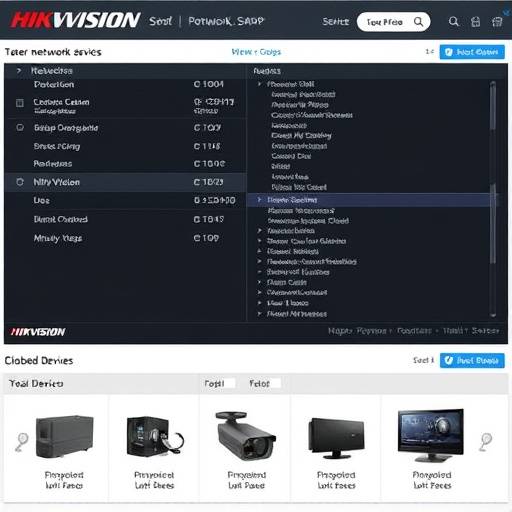
The Search Active Devices Protocol (SADP) is a utility developed by Hikvision to simplify the process of discovering and managing Hikvision network devices on a local network. These devices typically include IP cameras, network video recorders (NVRs), and digital video recorders (DVRs). SADP eliminates the need to manually configure IP addresses, making it a crucial tool for both initial setup and ongoing maintenance.
In essence, SADP broadcasts a request across the local network. Any Hikvision devices on the network respond to this request, providing essential information such as their device model, serial number, IP address, MAC address, and firmware version. This centralized view allows administrators to quickly identify and manage all Hikvision devices without having to individually log into each one.
Key Features and Benefits of SADP
- Device Discovery: Automatically discovers all Hikvision devices on the local network.
- IP Address Configuration: Easily modify the IP addresses of devices directly from the SADP interface.
- Password Reset: Provides a convenient way to reset device passwords, particularly useful when passwords are forgotten.
- Device Activation: Necessary for activating newly installed Hikvision devices, setting an initial password, and configuring basic network settings.
- Firmware Upgrade: Allows for upgrading the firmware of multiple devices simultaneously, ensuring that they have the latest features and security patches.
- Simplified Management: Centralizes device management, making it easier to monitor and maintain the entire network of Hikvision devices.
The benefits of using SADP are numerous. It streamlines the installation process, reduces the potential for errors associated with manual IP configuration, and provides a unified platform for managing all Hikvision devices. This not only saves time and effort but also enhances the overall security posture of the surveillance system.
Common Use Cases
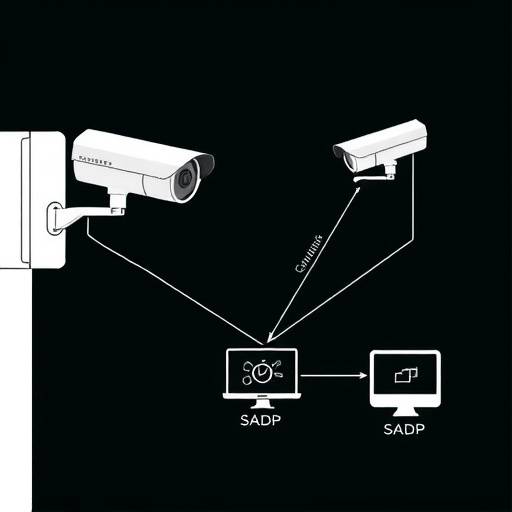
SADP is an indispensable tool in various scenarios:
- Initial System Setup: When deploying a new Hikvision surveillance system, SADP is used to activate all the cameras and NVRs, configure their IP addresses, and set up the initial passwords.
- Network Troubleshooting: If a camera or NVR becomes inaccessible, SADP can be used to quickly identify the device and verify its IP address and network connectivity.
- Password Recovery: In situations where the device password is lost or forgotten, SADP provides a mechanism to reset the password and regain access to the device.
- Firmware Updates: Regularly updating the firmware of Hikvision devices is crucial for maintaining security and stability. SADP simplifies this process by allowing administrators to update the firmware of multiple devices simultaneously.
- Device Relocation: When moving devices to a different network segment or location, SADP can be used to reconfigure their IP addresses to match the new network environment.
- Large-Scale Deployments: In large installations with numerous Hikvision devices, SADP is essential for efficient management and monitoring.
SecureView Solutions Recommendations for SADP Usage
At SecureView Solutions, we emphasize the importance of using SADP responsibly and securely. Here are some key recommendations:
- Download SADP from Official Sources: Always download SADP from the official Hikvision website or a trusted source to avoid downloading malware or compromised versions of the software.
- Secure the Network: Ensure that the network where Hikvision devices are deployed is properly secured with firewalls and strong passwords to prevent unauthorized access.
- Change Default Passwords: After activating a new device, immediately change the default password to a strong, unique password.
- Regularly Update Firmware: Keep the firmware of all Hikvision devices up-to-date to protect against known security vulnerabilities.
- Monitor Network Activity: Regularly monitor network activity for any suspicious behavior that could indicate a security breach.
- Restrict Access to SADP: Limit access to SADP to authorized personnel only to prevent unauthorized changes to device configurations.
"Security is not a product, but a process." - Elias Thorne, Chief Security Architect, SecureView Solutions.
Following these recommendations will help ensure that your Hikvision surveillance system remains secure and reliable.
Hikvision SADP: A Deeper Dive into Device Management
While SADP is primarily known for initial device discovery and IP address configuration, its capabilities extend much further into the realm of comprehensive device management. Understanding these advanced features allows users to leverage the full potential of their Hikvision security systems.
Understanding SADP's Device Information Display
SADP provides a wealth of information about each discovered device, beyond just the IP address. This includes:
- Device Type: Identifies the specific type of device, such as an IP camera, NVR, or DVR.
- Model Number: Provides the precise model number of the device, aiding in firmware updates and troubleshooting.
- Serial Number: A unique identifier for each device, used for warranty registration and support inquiries.
- Firmware Version: Indicates the current firmware version installed on the device, highlighting the need for updates.
- MAC Address: The physical address of the network interface, useful for network identification and filtering.
- HTTP Port: The port used for accessing the device's web interface, typically port 80.
- SDK Port: The port used for the Hikvision SDK (Software Development Kit), allowing for integration with other applications.
Advanced IP Configuration within SADP
SADP simplifies IP address management with the following options:
- Static IP Address: Assign a permanent IP address to a device, ensuring consistent accessibility.
- DHCP: Allow the device to obtain an IP address automatically from a DHCP server, simplifying network administration.
- Gateway Configuration: Set the gateway IP address for the device, enabling communication with other networks.
- Subnet Mask: Configure the subnet mask to define the network segment the device belongs to.
Password Management and Security Protocols
SADP is crucial for resetting forgotten passwords and ensuring the security of Hikvision devices. Best practices include:
- Strong Passwords: Use a combination of uppercase and lowercase letters, numbers, and symbols for all device passwords.
- Password Reset Procedures: Familiarize yourself with the password reset procedures available through SADP and the device's web interface.
- Firmware Security Patches: Regularly update the firmware to address known security vulnerabilities and ensure the latest security protocols are in place.